 GESTURE
Work
Research partnerships.
Immersive VR environments built with academic partners to study gambling behaviour, crime and pain in realistic, controlled settings.
 01
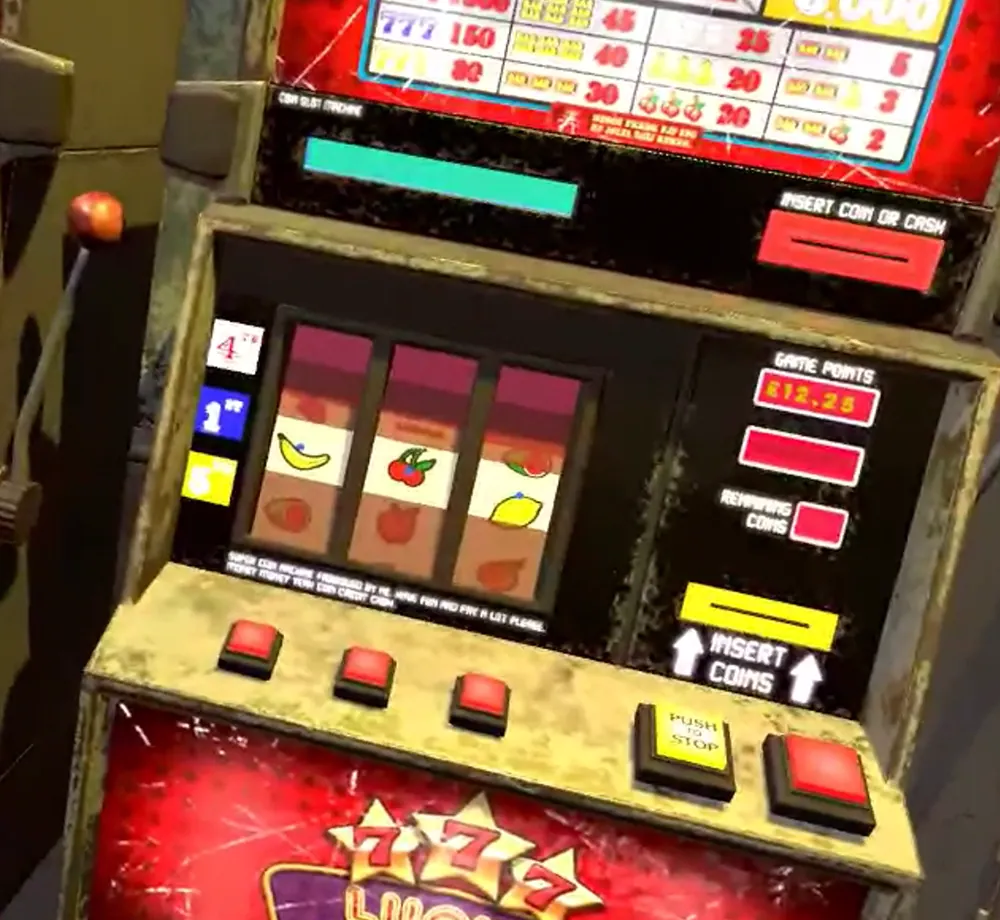
VR Gambling
In partnership with Dr Stephen Sharman we developed immersive VR gambling tools to study disordered gambling (previously called pathological or problem gambling) and contrast the behavioural traits of treatment-seeking gamblers, non-problem gamblers and non-gamblers. The tools were developed for research discussed in “Virtual reality in clinical and experimental gambling research: a review of methodologies” (International Gambling Studies, 2025).
 02
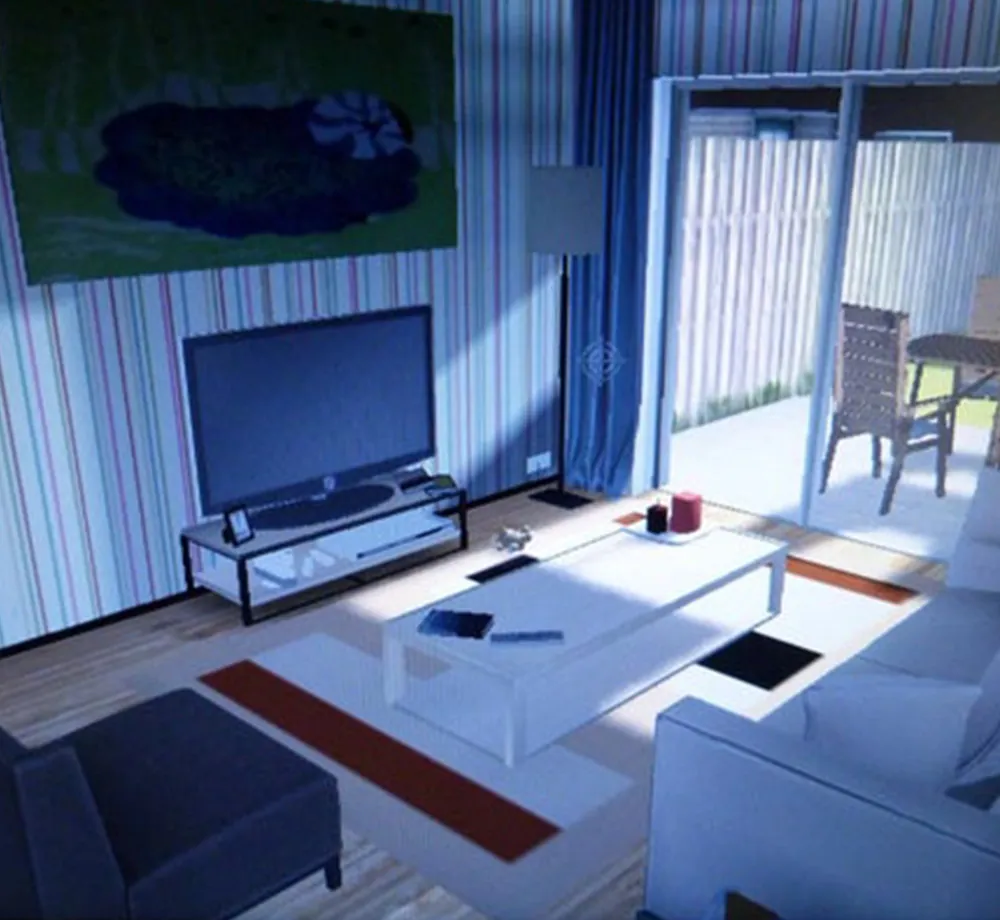
VR Crime
Our VR simulations support the Virtual Burglary Project at the University of Portsmouth, which studies the thought processes and strategies of burglars during house burglaries. Experienced burglars and people with no burglary experience explore virtual neighbourhoods, so researchers can observe decision-making and behaviour in an ethical, controlled way. The work explored whether a simulated walk-through could be used instead of physical breaking-and-entering experiments.
 03
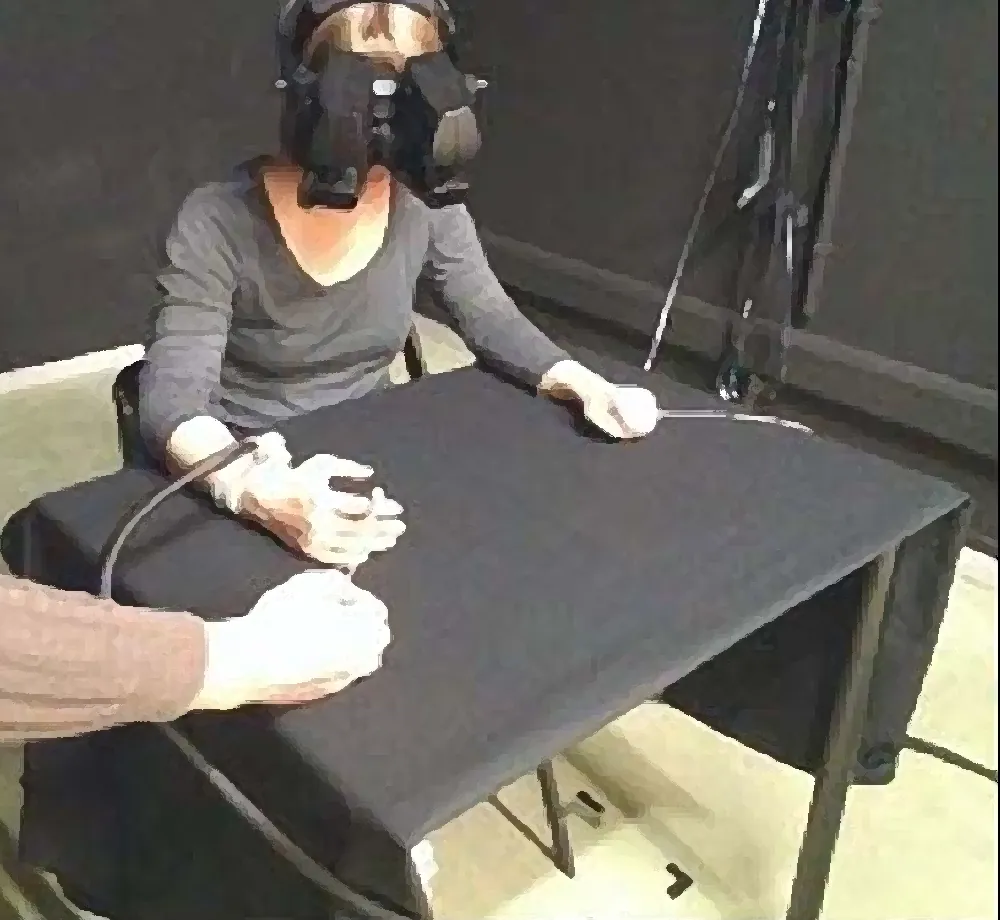
VR Pain
Our VR tools support research with Dr Matteo Martini into how seeing one’s own body can change the experience of pain. The research compares the vision of the real body with bodily illusions, such as rubber hands and virtual bodies, as described in “Real, rubber or virtual: The vision of ‘one’s own’ body as a means for pain modulation” (Consciousness and Cognition, 2016).